Tripping RCD & Nuisance Circuit Breaker Tracing
Locating hidden neutral-to-earth faults, moisture ingress in outdoor cables, or failing internal appliance elements that trigger main safety switches.
Brechin Sparks provides expert electrical fault finding, circuit testing, and diagnostic investigations for tripping fuse boxes, dead sockets, and intermittent electrical faults across Brechin and Angus. Speak directly with James Leslie to uncover hidden wiring problems safely.
 Free quote
Tell James what you need, even if you’re not sure what’s wrong.
Replies within an hour, 8am–6pmOut-of-hours emergency? Call 01356 235858
Local to Brechin, Angus, Scotland
Brechin Sparks is James Leslie, working from a base in Brechin and covering the DD9 postcode area, Montrose, Forfar, Arbroath, Edzell and Dundee within an approximate 40-mile radius.
One point of contact for the investigation, the written report and any repair. If a fault cannot wait, the 24/7 Emergency Electrician page explains how an urgent visit works. Where testing shows the board itself is the problem, a consumer unit replacement is quoted separately, and a full inspection of the installation is a separate EICR rather than a fault investigation.
“James was very polite and sent over the quote immediately after the call and came out the same day in the early evening.”
“He couldn't of been more helpful and still only took what he quoted for, even though it was a bigger job than expected. Definitely recommend.”
“Arrived within an hour of my call, as he said he would. Fixed the problem same afternoon, and rate was extremely reasonable!”
“They also give decent price for the job and the work done will be using James again, he is also very polite and very helpful too me.”
“Fast response during a weekend, put in a temporary fix so we got power back. Excellent service.”
“Very professional and courteous. Highly recommend him.”
Review summaries from the Google profile. Read them in full on Google ↗
Fault finding, circuit testing and diagnostic investigations for domestic homes, landlords and commercial properties, from a base in Brechin covering an approximate 40-mile radius.
Insulation resistance meters, earth loop impedance testers and RCD analyzers are used to systematically trace the root cause, rather than guessing or repeatedly resetting switches.
40 years of electrical engineering experience across military, municipal and private sectors. James served as an RAF electrical engineer and as a retained firefighter at Brechin Fire Station.
Public liability cover across domestic, commercial and agricultural properties, with investigation costs agreed before work begins.
Read more about James Leslie and how Brechin Sparks approaches electrical work, from the first enquiry to explaining the completed job.

BS 7671 wiring regulations

Level 3 Award · BS 7671 wiring regulations

Cover for electrical work
Local service across a 40-mile radius

Engineering experience behind the advice

A background in serving the community
Common symptoms
Usually because a protective device is doing its job: an RCD trips when current leaks to earth, and a circuit breaker trips when a circuit is overloaded or short-circuited. Electrical faults—such as an RCD tripping randomly, sockets losing power, or lights flickering—are symptoms of underlying issues inside your walls or appliances. The cause is found by testing, not by guessing.
Hidden neutral-to-earth faults, moisture ingress in outdoor cables or a failing internal appliance element can all trigger the main safety switch.
Nuisance tripping is a symptom, not the fault. Repeatedly resetting the switch can lead to wire melting or electrical fires.
Loose connections, high-resistance joints or burnt cables behind faceplates cause unexpected loss of power.
Traced with calibrated insulation resistance, earth loop impedance and RCD testing rather than guesswork.
Keeps tripping? Tell James what happens and when.
Get a quote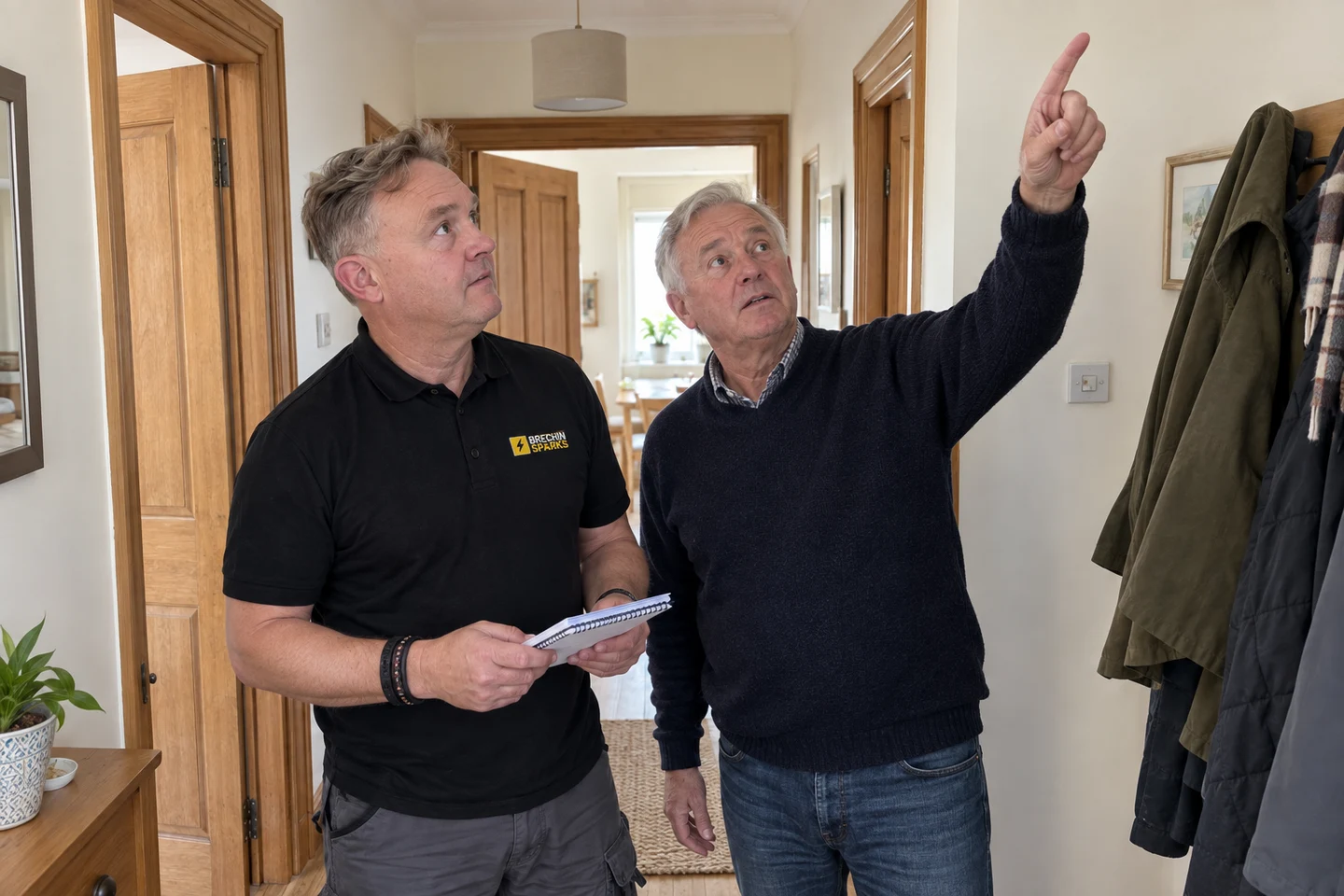
Guessing or repeatedly resetting switches can lead to wire melting or electrical fires. If any of the following applies, leave the circuit off and call James rather than trying the switch again:
A device that will not stay on, or trips the instant it is reset, is usually holding a live fault on that circuit. Leave it off and have the circuit tested.
Heat, browning or a faceplate that has started to distort can indicate a loose or high-resistance connection behind it. Stop using the accessory and do not touch it to check its temperature.
A hot-plastic smell, crackling or a hum from the consumer unit, a socket or a light fitting needs urgent assessment. Switch off at the main switch if it is safe to reach and keep clear.
A leak into a light fitting, a socket, an outdoor cable or the consumer unit is a common cause of RCD tripping and a risk while the circuit stays live. Leave it off until it has been inspected and dried out.
Not sure whether it can wait? Phone and describe what is happening.
Using advanced calibrated test equipment (insulation resistance meters, earth loop impedance testers, and RCD analyzers), James Leslie systematically traces the root cause of electrical faults.
Locating hidden neutral-to-earth faults, moisture ingress in outdoor cables, or failing internal appliance elements that trigger main safety switches.
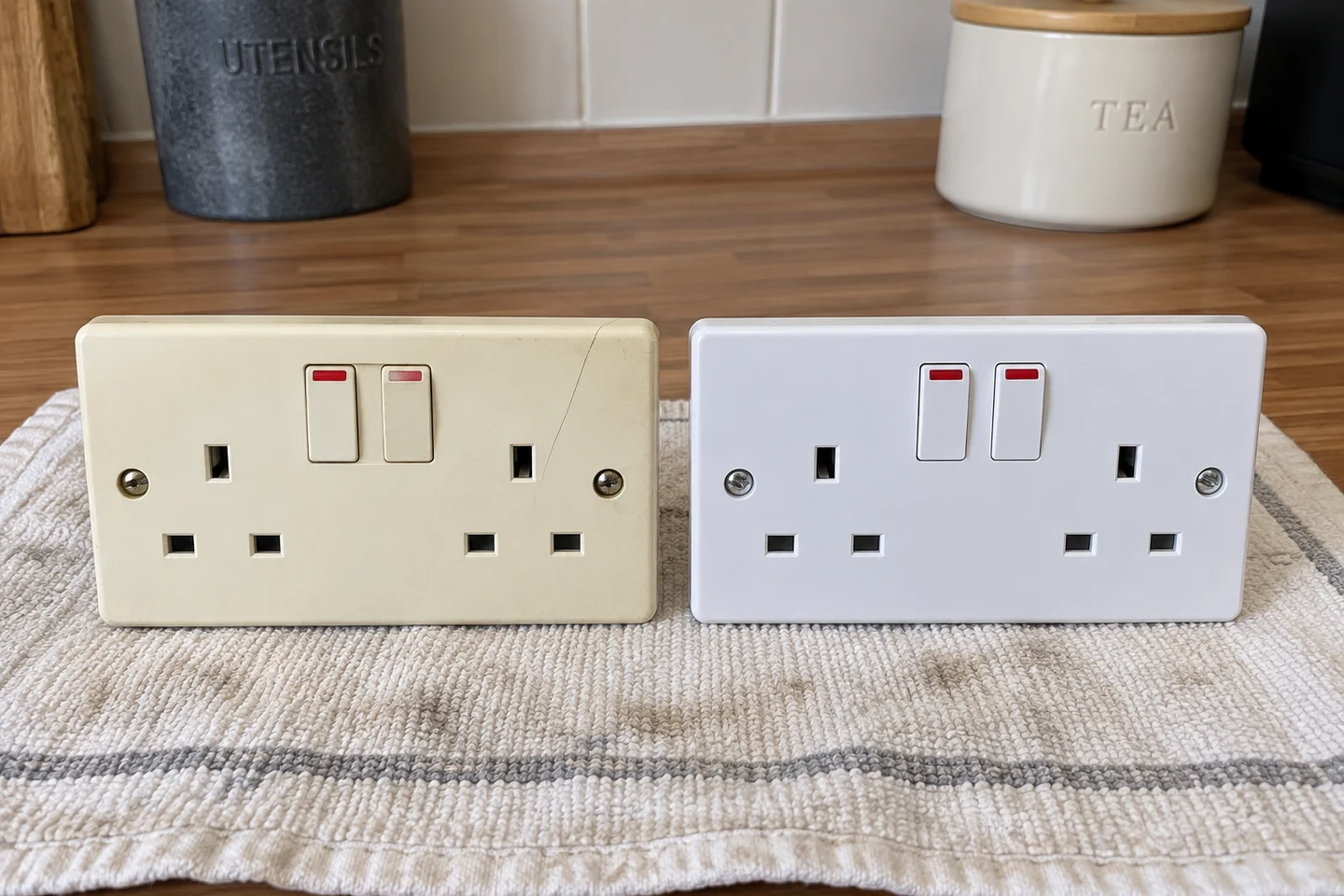
Tracing loose connections, high-resistance joints, or burnt cables behind faceplates that cause unexpected loss of power to specific rooms.

Following testing, you receive a clear written report explaining what was checked, photographic proof of any damaged cables found, and an upfront quote for permanent repairs.
Fault finding cost guide
£80 – £500+ for an electrical fault investigation. Investigation costs agreed before work begins. Clear written findings provided.
Time needed to trace fault, circuit access, testing complexity. Investigation scope agreed by phone before visit.
Indicative guide prices. The final scope and cost are agreed before work begins.
See the full guide to electrical work prices for other jobs.
How it works
A fault investigation works from the symptoms to the cause, one circuit at a time. What each visit involves:
Which device trips, which rooms or sockets are affected, whether it happens with a particular appliance, in wet weather or at a certain time of day. This narrows the search before the visit and sets the investigation scope, which is agreed by phone.
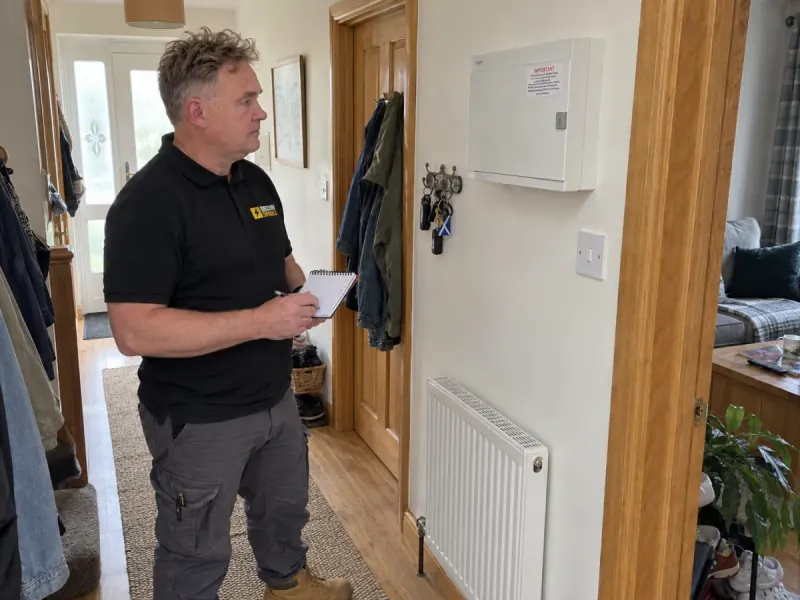
With the supply safely isolated, the board, the tripping device and the sockets, switches and fittings on the affected circuit are opened up and inspected for loose terminals, heat damage, moisture and past alterations.
Insulation resistance, continuity and RCD operation are measured with calibrated test equipment. Splitting the circuit and retesting shows which section, joint or appliance is responsible.
A confirmed fault is either repaired on the spot, where the parts are to hand and the cost has been agreed, or isolated and made safe with a quote for the permanent repair.
You receive a written note of what was checked, what was found, what was done and what remains outstanding, with photographs of any damaged cables and a recommendation for what to do next.
Small repairs found during an investigation, such as a replacement socket or switch, are covered under Small Electrical Repairs.
After testing
Following testing, you receive a clear written report explaining what was checked, photographic proof of any damaged cables found, and an upfront quote for permanent repairs.
A clear written report explaining what was checked, the findings, any work completed during the visit, anything left outstanding and the recommended next steps. Test readings are noted where they support the finding.
Photographic proof of any damaged cables found, taken during the investigation so you can see what was behind the fault before it is repaired or covered over.
An upfront quote for permanent repairs, with costs agreed before any work begins. Where a repair is completed on the visit, the report records it; anything else is quoted for your approval.
A fault investigation looks at the circuits showing symptoms. A full inspection of the fixed installation is a separate job under Landlord EICRs, and protection for electronics and appliances is covered under Surge Protection.
Tripping RCDs, dead sockets and intermittent power are investigated from a base in Brechin, Angus, Scotland, covering the DD9 postcode area and the wider Angus towns within an approximate 40-mile radius. Give James your postcode and a description of the fault to confirm availability.
From the town centre to Trinity and Cookston. Our base, so usually the quickest to arrange.
Homes, rentals and business premises across the Angus towns.
Fault investigations and repairs, including surrounding rural properties.
Enquiries welcome for houses, flats and rented properties.
Call with your postcode to check coverage within the approximate 40-mile service area.
Full list of towns on the areas covered page.
An RCD trips when it detects current leaking to earth, so repeated tripping usually means something on the protected circuits is leaking. Common causes include a faulty appliance, moisture in an outdoor cable or fitting, a neutral-to-earth fault in the wiring or, less often, a worn RCD itself. Unplugging appliances one at a time can point to a faulty appliance, but a wiring fault can only be confirmed by testing. James tests the circuits and reports what was found.
The trip itself is the breaker doing its job: it has disconnected a circuit that was overloaded or had a fault. What needs attention is the cause. A breaker that trips repeatedly, or will not stay on when reset, indicates a fault that has not gone away, and repeatedly resetting it can lead to wire melting or electrical fires. Leave the circuit off and arrange an investigation.
Flickering can have several causes, from a loose connection at a switch, fitting or in the consumer unit to a lamp or dimmer that is not compatible, or a problem with the incoming supply. Flickering confined to one fitting is often local to it; flickering across several rooms is more likely a connection or supply issue and should be investigated rather than assumed. James traces where the flicker originates and explains what he finds.
Sometimes, but it is not something that can be promised. It depends on availability on the day and on the fault itself: some are traced and repaired on the first visit, while an intermittent fault or one needing parts can take more than one. Investigation scope agreed by phone before visit. For a fault that cannot wait, phone to check the next available visit.
Yes. Following testing, you receive a clear written report explaining what was checked, photographic proof of any damaged cables found, and an upfront quote for permanent repairs. It also notes any work completed on the visit and anything left outstanding, so you have a record for your own files, a landlord or a letting agent.
Fault finding is the right job when something specific is wrong: a device that trips, a dead socket or power that comes and goes. It looks at the circuits showing symptoms and aims to find and fix the cause. An EICR is a condition inspection of the whole fixed installation, reported against the wiring regulations, and does not repair anything. If a fault investigation uncovers wider concerns about the installation, James says so and a full inspection can be quoted separately.
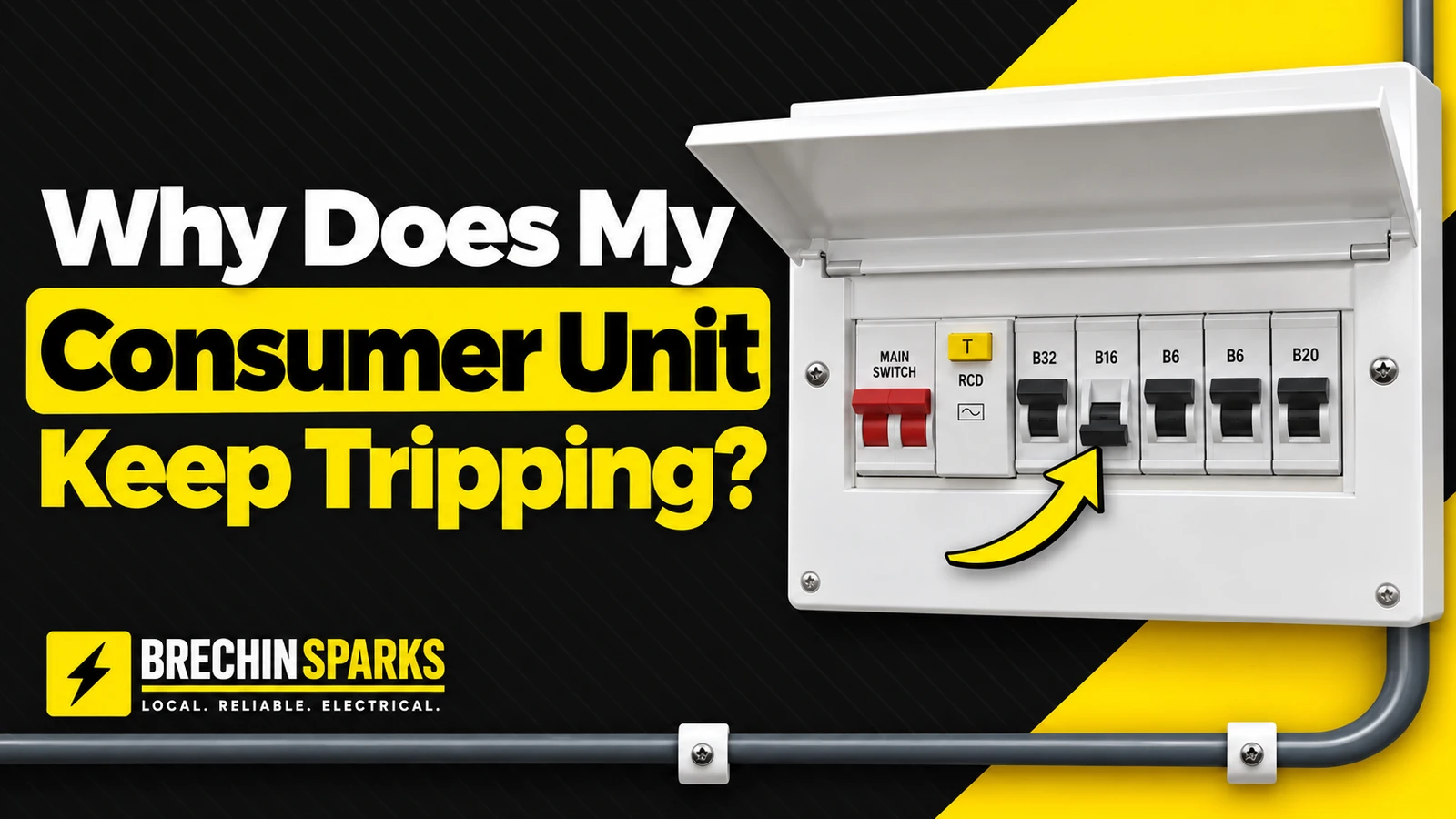
Work out what tripped (RCD, breaker or main switch), what the pattern means, the safe unplug test to find a faulty appliance, and when to stop and call.
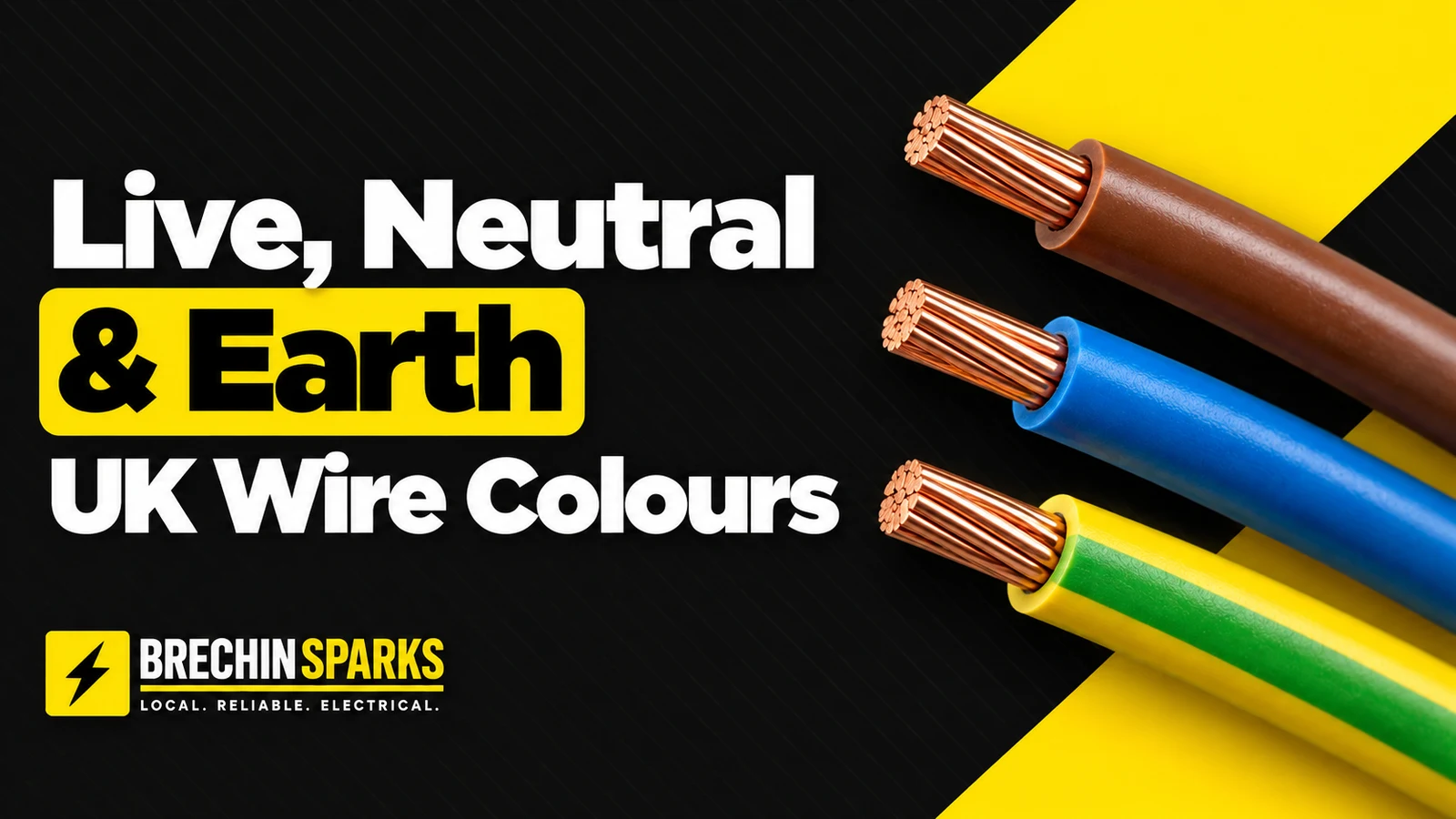
Which wire is live, neutral and earth, what each one does, where you meet them in plugs, switches and ceiling roses, and how UK colours changed in 2004.
Give your address, what is happening and how often it happens. James agrees the investigation scope by phone before the visit.
Call 01356 235858