Need someone to fix a socket or replace your fuse box? You’ll want to know the cost before anyone picks up a screwdriver.
Most UK electricians charge £40–£60 an hour, but that figure can shift a lot. Where you live matters. So does when you need the work done.
And the hourly rate isn’t always the full story.
Here’s what you’ll pay, and how you can spot a quote that doesn’t add up.
General guidance only. Electrical work can be dangerous; if in doubt, use a qualified electrician. Read the disclaimer

How Much Do Electricians Charge per Hour in the UK?
Whether you’re fixing a faulty socket or rewiring a whole house, you’ll typically pay a UK electrician between £40 and £60 per hour, with the national average sitting around £50. Your exact rate depends on location, experience, and job complexity.
In London and the South East, you’ll often pay £60 to £80 per hour, while electricians in the North and Wales usually charge closer to £40. Many electricians also set a minimum call-out fee of £50 to £100, so small jobs can cost more than the hourly rate suggests.
Expect to pay higher rates for emergency, evening, or weekend work, often 1.5 to 2 times the standard charge. For larger projects, you’ll usually get a fixed quote or day rate of £200 to £350.

How Much Do Electricians Charge Per Hour In Brechin, Scotland?
Several factors affect what you’ll pay. Emergency or out-of-hours callouts can push rates up to £60–£80 per hour. Some electricians charge a minimum callout fee, often covering the first hour.
If you need a specialist travelling from Dundee or Aberdeen, expect travel costs on top.
To get the best price, request quotes from at least three qualified, fully insured electricians.
Ask whether they charge hourly or a fixed price per job, since fixed quotes work out cheaper for larger tasks like rewiring or consumer unit upgrades.

What Pushes an Electrician’s Hourly Rate Up?
Brechin’s rates are just one snapshot, and you’ll find the price you pay can shift sharply depending on several factors.
Where you live and how busy local electricians are, whether you need someone urgently or outside normal hours, and how complex or specialised your job is all affect the hourly figure you’re quoted.
You’ll also pay more for an electrician with advanced qualifications and years of experience, so it’s worth knowing what drives each of these costs before you book.
Location and Regional Demand
Where you live has a bigger effect on your electrician’s hourly rate than almost anything else. In London, you’ll pay £60 to £100 an hour, while electricians in the North East, Wales, or Northern Ireland often charge £40 to £55.
The South East and other major cities, such as Manchester, Bristol, and Edinburgh, sit in between.
These gaps reflect local costs. Electricians in expensive areas pay more for rent, fuel, parking, congestion charges, and insurance, and they pass those costs on to you.
Demand matters too. If you’re in a fast-growing town with few qualified electricians, you’ll compete for their time and pay a premium.
Rural homes can cost more, since your electrician may charge for longer travel. Compare local quotes for fair rates.
Emergency and Out-of-Hours Callouts
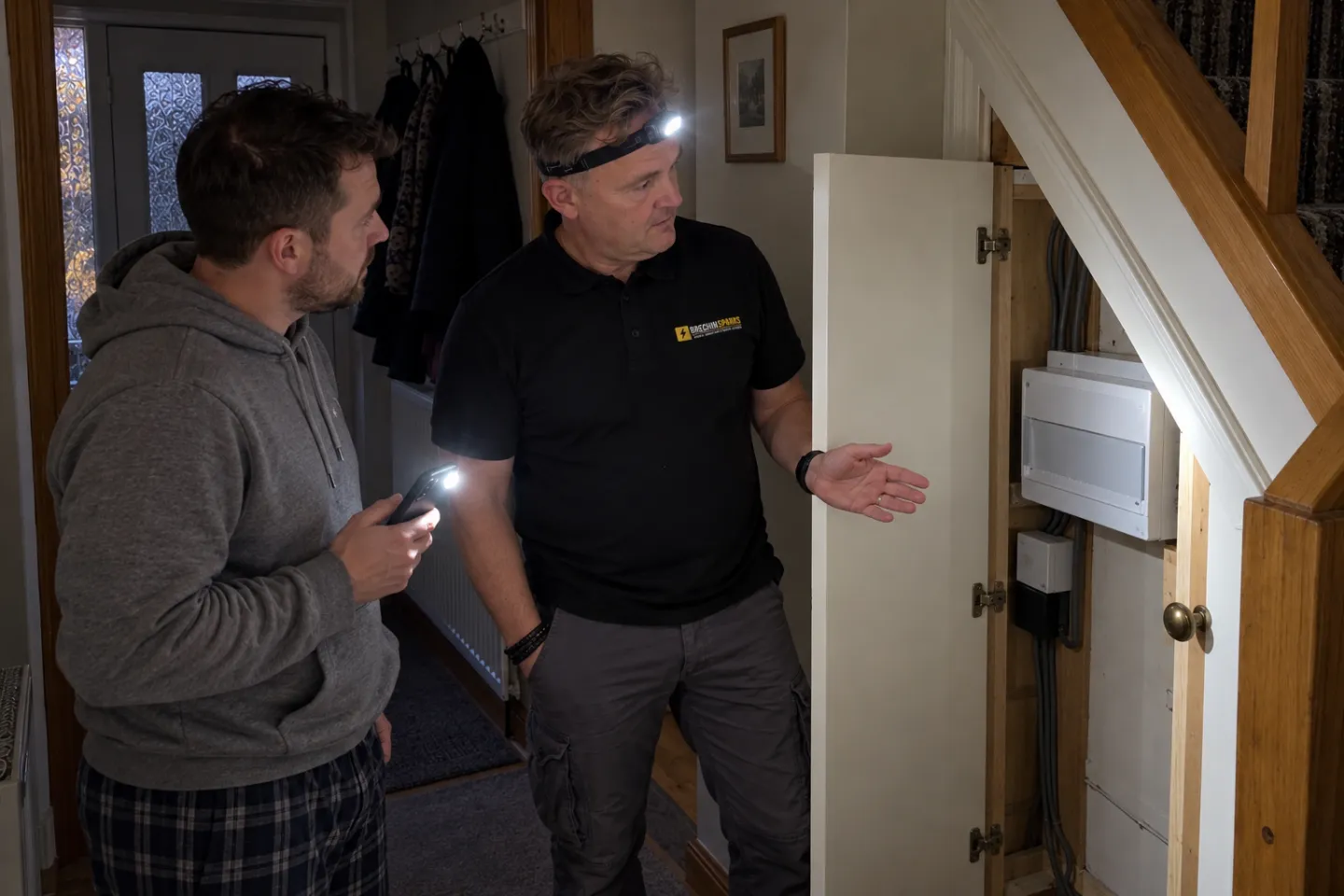
Timing matters as much as location. If you need an electrician at night, on a weekend, or during a bank holiday, you’ll pay a premium. Most electricians charge between £80 and £150 per hour for emergency work, roughly double their standard rate.
Many also add a fixed callout fee of £50 to £150 before they’ve even picked up a tool.
You’re paying for immediate availability and disruption to their schedule. Christmas, New Year, and late-night callouts often attract the steepest charges.
To keep costs down, judge whether the problem is truly urgent. A total power loss, burning smell, sparking socket, or exposed wiring justifies an emergency call.
A faulty light fitting or a dead switch can usually wait until working hours, saving you money.
Job Complexity and Specialism
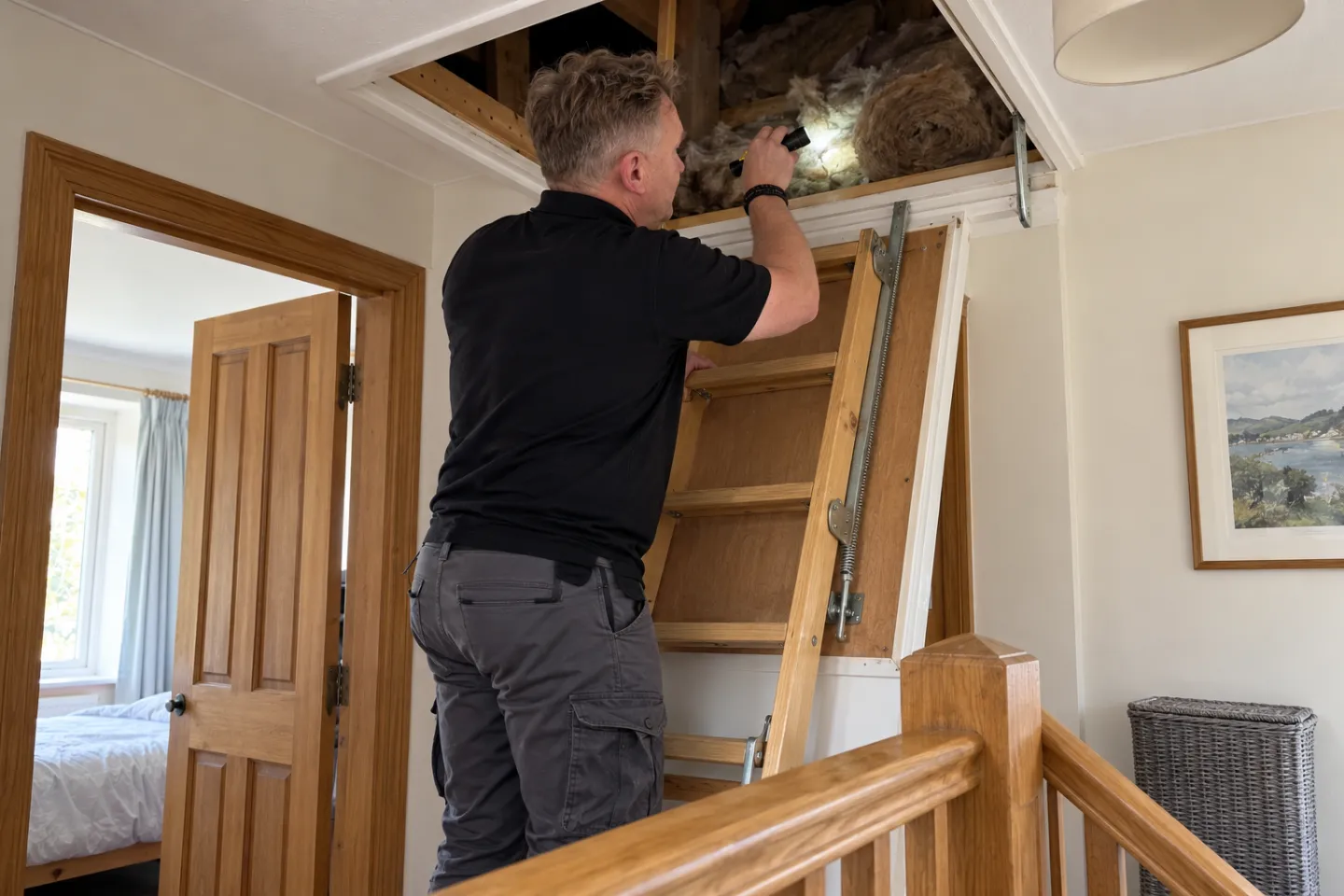
Not every electrical job carries the same price tag, even when the hours are identical. Swapping a light fitting is routine work, but tracing an intermittent fault in an older property demands diagnostic skill, test equipment, and patience.
That’s why you’ll often pay more per hour for fault-finding than for straightforward installations.
Specialist work commands higher rates too. If you need an EV charger, solar panels, a battery storage system, or a commercial three-phase supply, you’re paying for extra qualifications and accreditations that cost electricians time and money to earn.
Expect rates of £10 to £20 above standard for this expertise.
Access matters. Lifting floorboards, working in cramped lofts, or chasing cables through solid walls slows progress and raises the price. Describe everything upfront.
Qualifications and Experience Level
Beyond the job itself, the person doing it shapes the price. A fully qualified electrician holding an NVQ Level 3, the AM2 assessment, and the 18th Edition wiring regulations certificate will charge more than an apprentice or improver.
You’re paying for training that took years to complete.
Registration matters too. Scotland has no Part P: electrical work comes under the Building (Scotland) Regulations, and electricians in an approved certification scheme can certify work that needs a building warrant. That’s why they charge £5 to £10 more per hour.
Experience adds another premium. A veteran with fifteen years behind them works faster, spots problems sooner, and makes fewer mistakes.
While you’ll see a higher hourly figure, you’ll often pay less overall because the work’s done faster and right first time.

What Do Day Rates and Fixed-Price Jobs Cost?
Hourly rates don’t tell the whole story, because many electricians quote a day rate for longer projects or a fixed price for common jobs.
A day rate suits work that’ll take most of a shift, while a fixed price gives you a set cost upfront for tasks like replacing a consumer unit or adding a socket.
Knowing the typical figures for both helps you judge whether a quote is fair before you agree to it.
Typical Electrician Day Rates
Because most electrical work takes more than an hour or two, many UK electricians charge a day rate instead. You’ll typically pay between £250 and £400 for a full day, which usually covers seven to eight hours on site.
In London and the South East, expect rates closer to £350–£500, while you’ll often find cheaper quotes in the North, Wales, and Scotland.
If you need an electrician and an apprentice, the combined rate can reach £450 to £600 per day.
A day rate often saves you money on larger jobs, such as rewiring a room or installing a consumer unit, because you’re not paying a premium for short call-outs.
Always confirm whether materials, VAT, and travel are included before you agree to the work.
Common Fixed-Price Job Costs
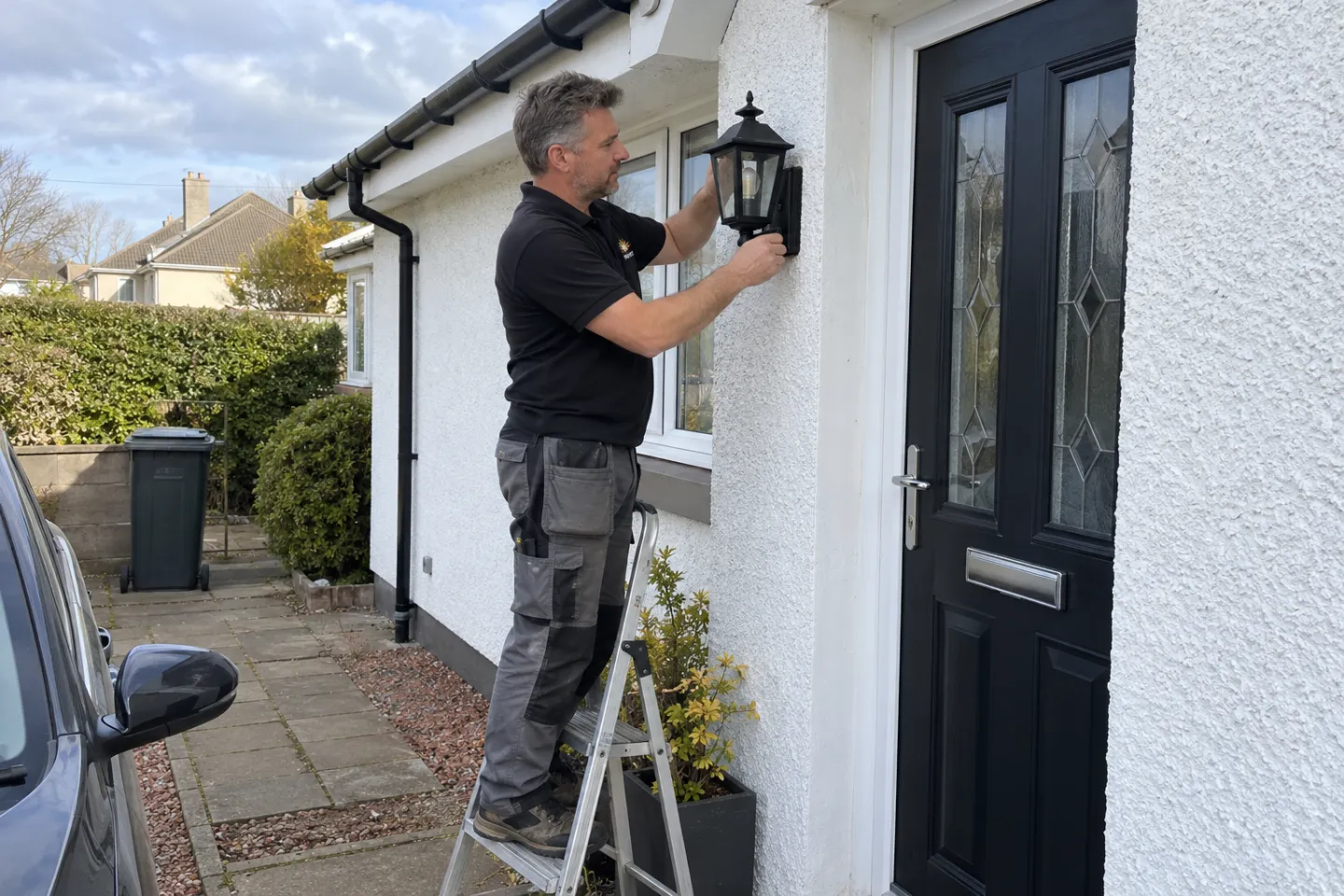
Many common electrical jobs come with a fixed price, so you’ll know the full cost before work starts. Here’s what you’ll typically pay for popular jobs:
- Installing a new socket: £90–£360
- Replacing a light fitting: £60–£300
- Fitting an outdoor light: £150–£1,000
- Consumer unit replacement: £550–£1,000
- EICR inspection: £150–£700
- EV charger installation: £800–£1,500
- Full house rewire (three-bed): £5,500–£8,000
Prices vary by location, property age and job complexity. London electricians usually charge 20–30% more than those in other regions.
Older homes may need extra work if wiring doesn’t meet current regulations.
Always get at least three written quotes, and check whether each includes materials, certification and VAT.
Confirm your electrician’s qualified and insured.
How Can You Tell If an Electrician’s Quote Is Fair?
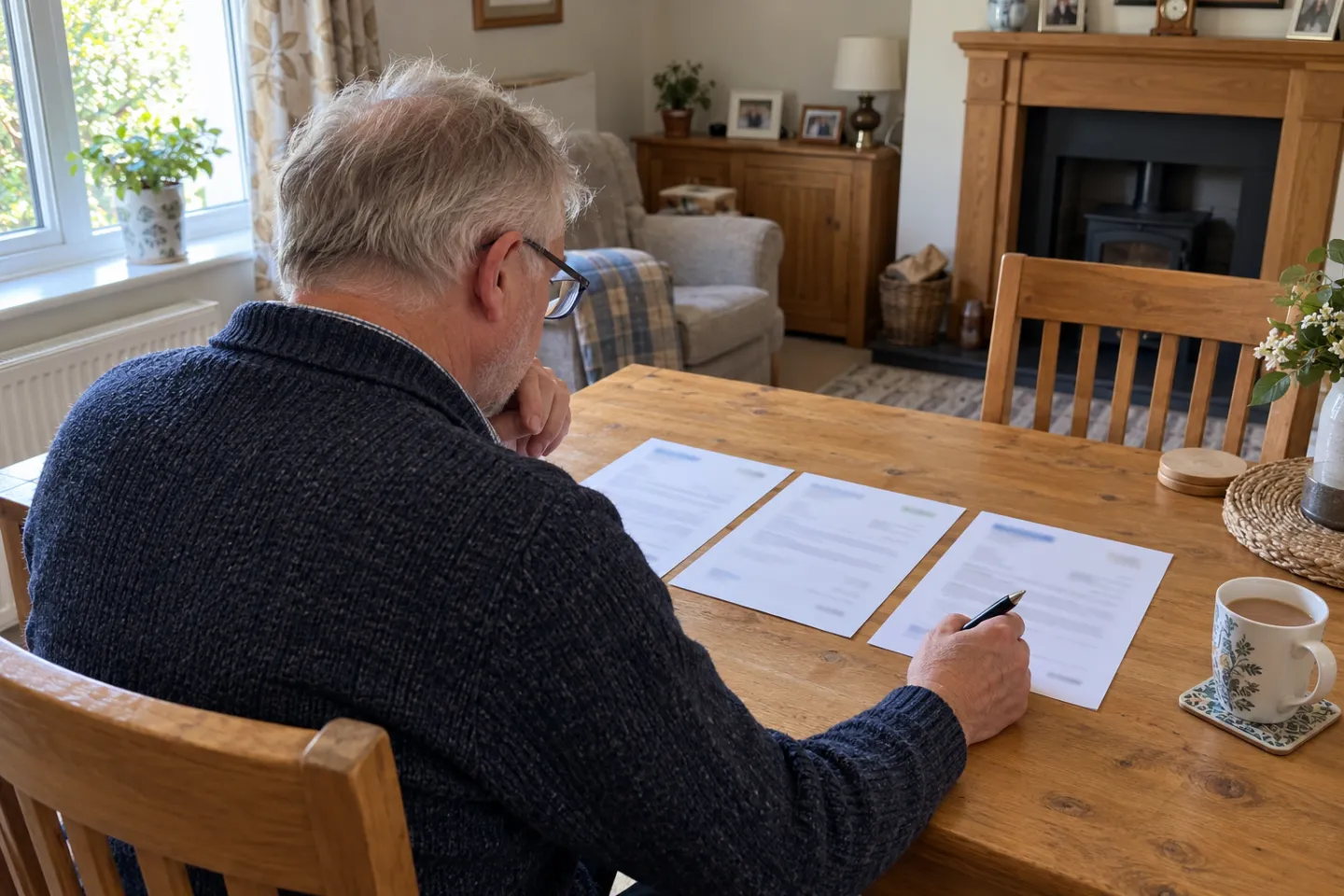
A fair quote isn’t always the cheapest one. It’s the one that matches the going rate for your area and the scope of your job.
You can judge this by comparing several quotes, checking how each one breaks down its costs, and confirming the electrician holds the right qualifications and accreditation.
Compare Multiple Quotes
Always get at least three written quotes before hiring an electrician, as it’s the quickest way to see what a fair price looks like for your job.
Ask each electrician to quote for the same scope of work, so you’re comparing like for like. Check whether the price includes materials, VAT, call-out fees and certification, such as an Electrical Installation Certificate or Minor Works Certificate.
Cheap quotes may leave these out, then add them later.
If one quote sits far below the others, ask them why. It could signal cut corners, unregistered work or hidden extras.
An unusually high quote doesn’t guarantee better quality either. Look for a detailed breakdown of labour and materials, and confirm each electrician is qualified and insured.
Check Itemised Costs
Once you’ve gathered your quotes, look closely at how each one breaks down the total. A fair quote separates labour, materials, and any extra charges, such as call-out fees, certification paperwork, or waste disposal.
If an electrician only gives you a single lump sum, ask for an itemised version. This lets you see exactly what you’re paying for and spot inflated costs.
Check the hourly rate against the estimated hours. If one electrician quotes six hours for a job others say takes three, ask why.
Compare material prices with what you’d pay at a wholesaler; a reasonable markup is normal, but excessive ones aren’t.
Finally, confirm whether VAT is included. A quote that looks cheaper might exclude it, adding 20% to your final bill later.
Verify Qualifications and Accreditation

Even the cheapest quote isn’t fair value if the electrician lacks the right qualifications. Before you accept any price, ask for proof of a Level 3 NVQ in Electrotechnical Services and an up-to-date 18th Edition (BS 7671) certificate.
In Scotland there’s no Part P. Electrical work comes under the Building (Scotland) Regulations, and most everyday jobs don’t need a building warrant.
Where one is needed, ask how the work will be certified.
Also ask for public liability insurance details and confirm you’ll receive an Electrical Installation Certificate once the job’s finished.
A higher quote from a properly accredited professional often costs you less overall, since it protects you from unsafe work and expensive repairs.

Conclusion
Across the UK, you’ll usually pay £40–£60 per hour for an electrician, though London rates can reach £80.
You’ll pay more for emergency, evening, weekend or specialist work, sometimes with a call-out fee. Before you book, get written quotes and check whether they cover travel, materials, VAT and certification.
Always confirm the electrician’s qualifications and registration, so you’re paying a fair price for safe, reliable work.

Written by James Leslie
40 years of electrical engineering experience. Former RAF electrical engineer and retained firefighter at Brechin Fire Station. Fully insured, based in Brechin. More about James